
An old mobile home that can’t be moved or sold still has to go somewhere. Whether it’s a single-wide on a family lot near Millsboro or several aging units in a manufactured home community, taking one down in Sussex County involves more than a crew and a truck: utilities have to be shut off properly, Delaware has its own rules on asbestos and debris, and the county needs to know once the home is gone.
This guide covers what mobile home demolition typically costs, the Delaware and Sussex County steps to plan for, and what to do with the lot afterward. The same steps apply to manufactured home demolition, since “mobile home” and “manufactured home” are used for the same kind of house.
Quick Answers
How much does mobile home demolition cost? National cost guides put most mobile home demolition jobs between $3,000 and $10,000: roughly $3,000–$6,000 for a single-wide and $6,000–$10,000 for a double-wide. Asbestos, a concrete slab, add-ons like decks and carports, and hard-to-reach lots push the price higher.
Do I need a permit in Sussex County? Sussex County doesn’t issue a specific county demolition permit, but some towns set their own rules. After the home is removed, notify the Sussex County Assessment office, and check with the county’s Sewer office if the home was connected to public sewer.
How long does it take? The teardown itself is often quick, typically about a day for a single-wide. The planning takes longer: utility shutoffs, an asbestos check on older homes and arranging debris disposal should be done first.
Is “mobile home removal” the same as demolition? Not always. Removal can mean moving the home intact to a new site. Demolition means taking it apart and hauling the debris away. If the home is too old or damaged to move, demolition is usually the practical option.
Demolition or Removal: Which Do You Need?
Before getting quotes, be clear about which job you’re asking for. “Mobile home removal” can mean either one, and the two are handled by different kinds of companies.
Removal (moving the home intact) suits a home that’s structurally sound and can be transported. It usually involves a licensed mover or transport company, and the home is set up again somewhere else.
Demolition suits a home that’s too old, damaged or costly to move. The structure is taken apart on site, and the debris is loaded into roll-off dumpsters and hauled away for disposal.
Many owners also look at selling or donating the home first. Some buyers and nonprofit programs take homes that are still in livable condition, which can save the cost of demolition entirely. If nobody wants the home as it is, demolition is the next step.
What Mobile Home Demolition Costs
Every property is different, so the most useful way to budget is to understand what drives the price.
|
Factor |
Why it affects cost |
|---|---|
|
Size |
A double-wide has two sections to separate, break down and haul, so it costs more than a single-wide |
|
Foundation |
A home on piers is quicker to clear than one on a permanent concrete slab, which may need to be broken up and removed |
|
Add-ons |
Porches, decks, carports, sheds and skirting all add labor and debris |
|
Asbestos |
Older homes may contain asbestos materials that have to be handled correctly before demolition |
|
Site access |
Narrow lanes, tight lots and soft ground make it harder to bring in equipment and dumpsters |
|
Disposal |
Debris volume and the distance to an approved disposal facility affect hauling costs |
Owners also tend to forget a few costs:
-
Utility disconnection by the electric provider, plumber or electrician
-
Foundation or slab removal if the next use of the lot needs a clear site
-
Grading and site cleanup once the home is gone
-
Septic work if the system will be abandoned or replaced
For an accurate number, get an on-site quote. A contractor who sees the home, the foundation and the access can price the job far more reliably than any national average.
Sussex County and Delaware Steps to Plan For
Permits and county records
Sussex County doesn’t require a specific county demolition permit, but towns inside the county can have their own requirements, so check with your town office first if the home is within town limits.
Once the home is gone, notify the Sussex County Assessment office so the county’s records reflect that the structure has been removed. If the home was connected to county sewer, contact the Sewer office about the disconnect process. If you hold a title for the home, ask the Delaware Division of Motor Vehicles and the Assessment office what’s needed to close out the home’s records.
Utilities
Every utility has to be safely shut off and capped before demolition starts:
-
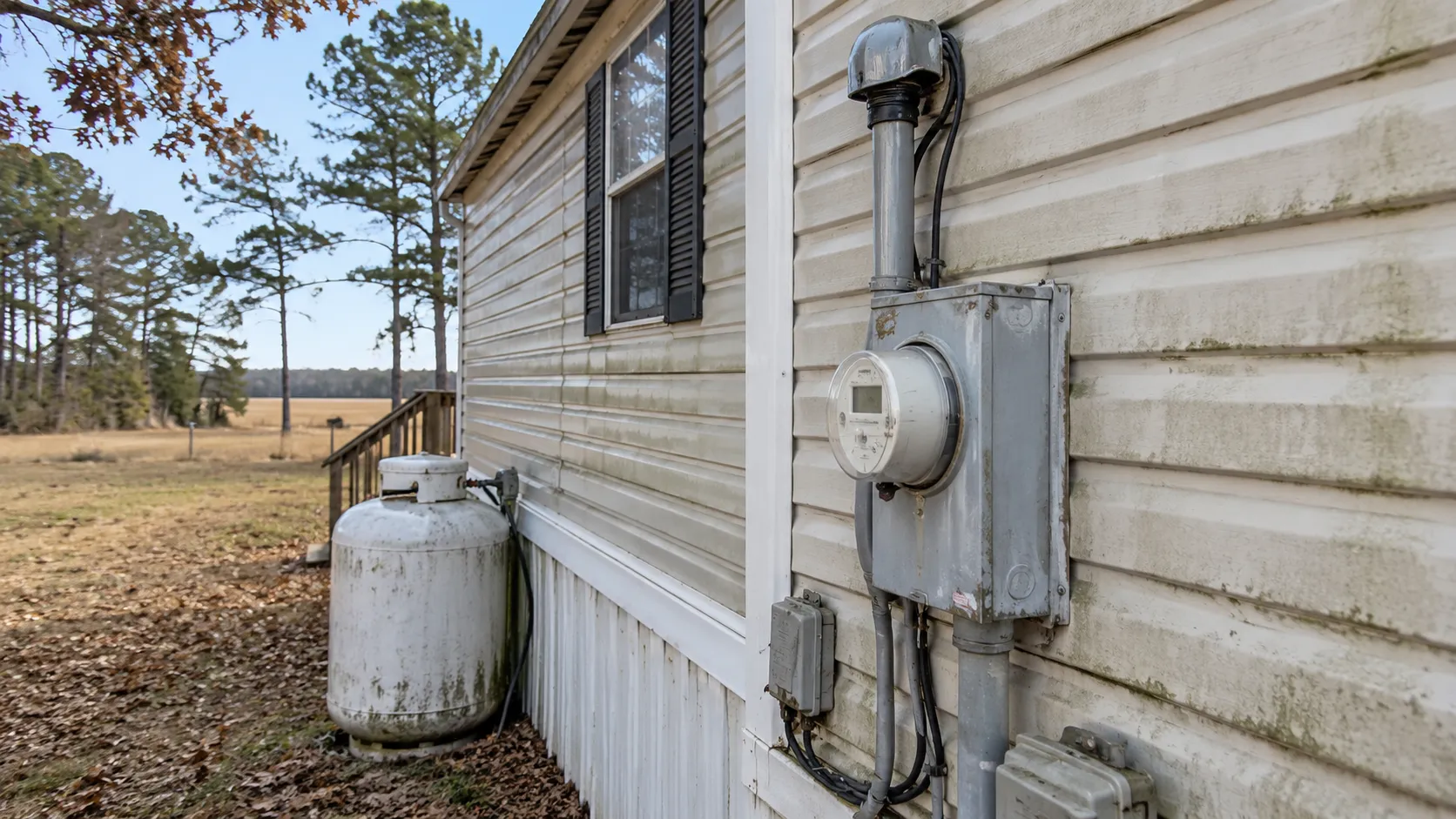
Electric: contact your provider (Delmarva Power or Delaware Electric Cooperative, depending on your area) to pull the meter and disconnect the service.
-
Gas or propane: have a licensed plumber or your supplier disconnect and cap the line, and remove any propane tank.
-
Water and sewer: cap the lines at the main or curb stop.
-
Miss Utility (call 811): Delaware law requires a call to Miss Utility at least 3 and no more than 12 business days before excavation or mechanical demolition, so underground lines are marked.
Asbestos: When the Rules Apply
Some older mobile homes contain asbestos in materials such as flooring, ceiling panels, siding or roof coatings. Whether federal asbestos rules apply depends on the situation:
-
A single mobile home used as a family residence is generally outside the federal asbestos demolition rule, unless it’s part of a larger project.
-
Several homes in the same community demolished as one project, for example by a community owner clearing multiple lots, are generally covered by the federal rule. In Delaware, landlords and contractors are expected to follow the Department of Natural Resources and Environmental Control (DNREC) notification and removal requirements based on it.
Either way, if an older home will be torn down, an asbestos inspection is worth doing first. Materials that test positive should be handled by certified professionals before demolition begins.
For Community Owners: Delaware’s Removal Reimbursement
Owners of manufactured home communities in Delaware have a funding option that most people don’t know about. The Delaware Manufactured Home Relocation Authority (DEMHRA) reimburses eligible community owners for the removal and disposal of non-relocatable or abandoned homes, up to $4,500 per single-wide or double-wide, according to the authority’s removal and disposal assistance application.
Key points from the application:
-
It applies when homes are removed because of a change in use of the community’s land, and requires a copy of the relocation plan and the termination or non-renewal notice.
-
The owner must have paid its share of the Trust Fund assessment.
-
A contract with a licensed moving or towing contractor is required for each home.
-
Any profit made from removing a home has to be reimbursed to the fund.
Program terms can change, so confirm current eligibility and requirements directly with DEMHRA before planning a project around it.
Where the Debris Goes
A demolished mobile home produces a large volume of mixed debris: framing, paneling, flooring, insulation, roofing and metal. In Delaware, disposal is more restricted than many people expect.
The Delaware Solid Waste Authority (DSWA) doesn’t accept construction and demolition debris from contractors, or from anyone using a dump trailer or double-axle trailer, at its transfer stations. DSWA facilities also accept waste generated in Delaware only. That rules out hauling a torn-down home to a local transfer station a trailer load at a time.
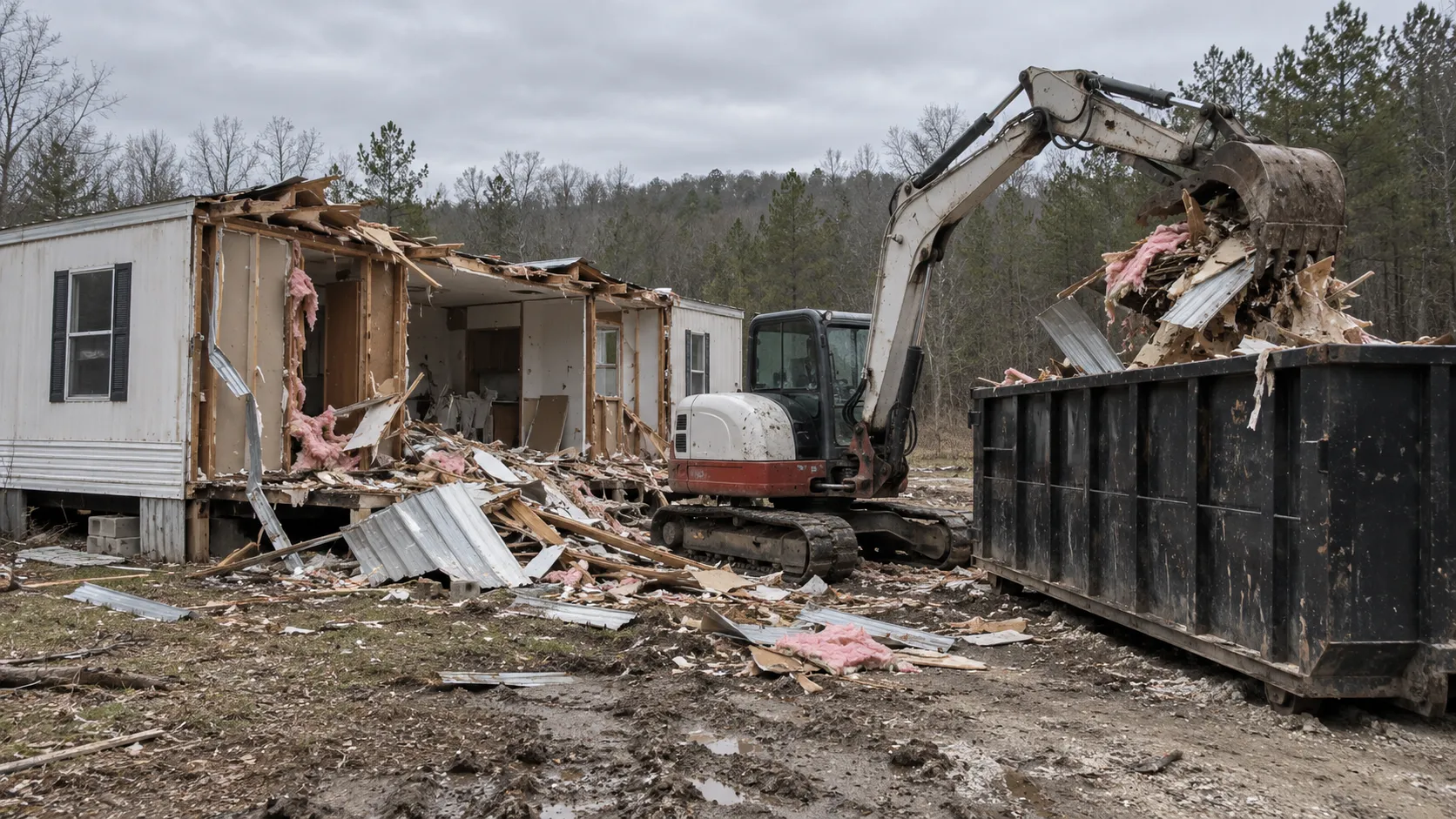
This is why mobile home demolition is usually paired with roll-off dumpsters: the debris is loaded straight into the container on site and hauled to an approved disposal facility in one organized process. For most single-wide teardowns, a 20-yard walk-in dumpster gives enough room for bulky debris. Larger homes or jobs that include a slab, deck or shed may need more than one.
If the project also involves clearing brush or trees from the lot, keep that separate: yard waste is banned from Delaware landfills.
After Demolition: Preparing the Lot for a New Home
Many owners remove an old home to make room for a new one. If you’re placing a new manufactured home in Sussex County:
-
Expect inspections. Every manufactured home installation in the county is subject to a footer and tie-down inspection, and the permit application needs a footer drawing plus the installer’s name and license number.
-
Budget for the placement tax. In unincorporated Sussex County, a manufactured home placement tax of 1% of the home’s value is due when the placement permit is applied for. The code exempts relocating a home that has already been taxed, but it doesn’t list an exemption for replacing an old home with a new one.
-
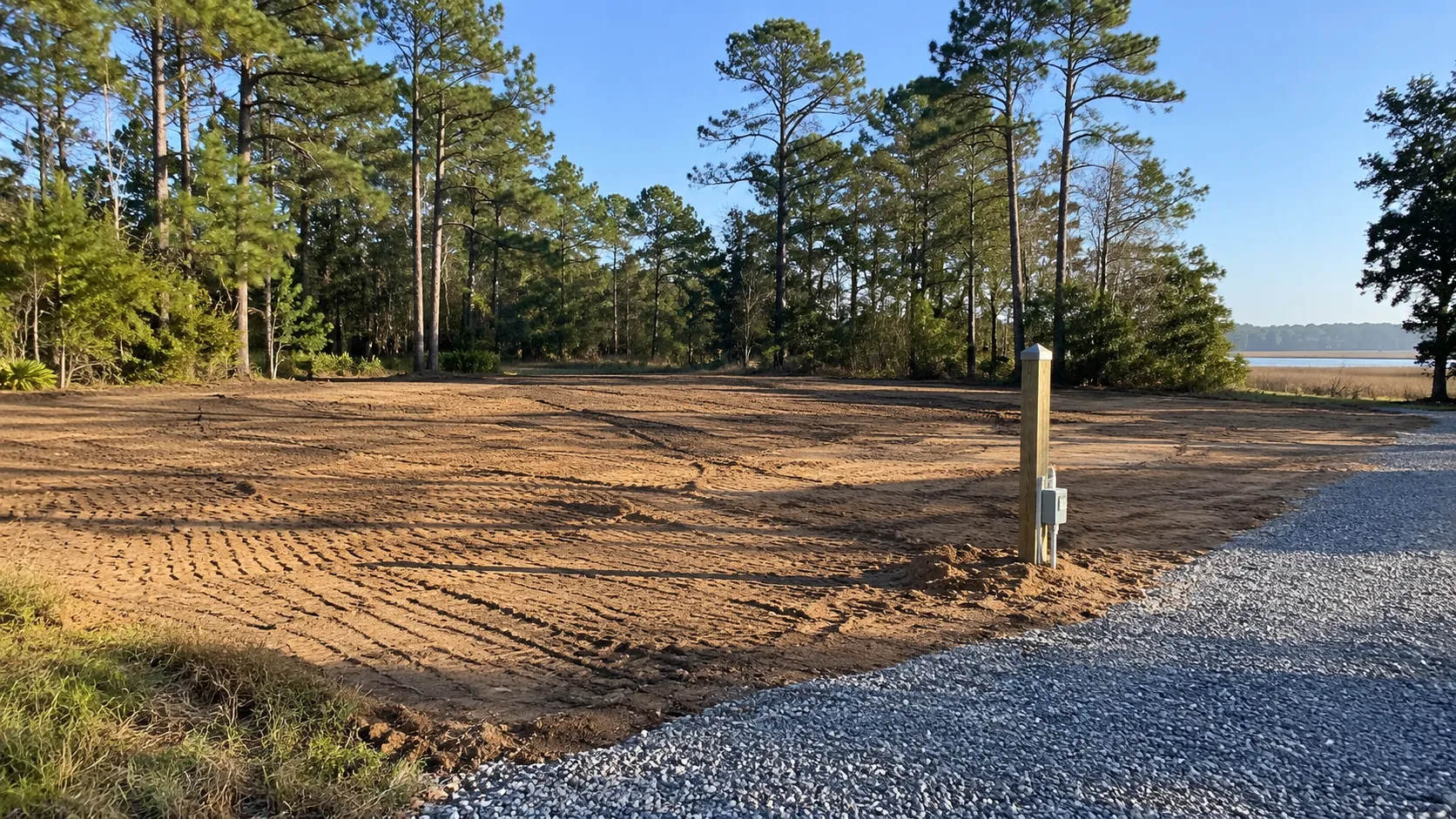
Clear the site fully. Old piers, tie-downs, skirting and any slab need to be removed or confirmed suitable before the new home’s foundation goes in.
Planning the demolition and the new installation together keeps the lot from sitting empty longer than it needs to.
Demolition and Debris Removal From One Local Team
Home Wreckers Demolition and Dumpsters is a locally owned company based in Parsonsburg, MD, serving Sussex County communities including Millsboro, Dagsboro, Selbyville and Rehoboth Beach. We provide residential demolition, including full structure teardowns, along with our own roll-off dumpsters for the debris, so the teardown and the cleanup are handled by one team instead of two.
Frequently Asked Questions
What is the least expensive way to get rid of an old mobile home? If the home is in livable condition, selling or donating it can avoid demolition costs entirely. If it can’t be moved or sold, demolition with on-site dumpsters is usually the most practical option, since Delaware transfer stations don’t accept demolition debris from trailers.
Does a mobile home have to be tested for asbestos before demolition? A single family residence is generally outside the federal asbestos demolition rule, but several homes demolished as one project usually aren’t. For any older home, an asbestos inspection before demolition is the safe approach.
Can I demolish a mobile home myself? Owners sometimes take on small parts of the work, but a full teardown involves heavy equipment, utility disconnections, possible asbestos and strict disposal rules in Delaware. Most owners find a contractor with dumpsters on hand faster and safer.
What happens to the foundation? Homes on piers usually leave piers, tie-downs and skirting to remove. Homes on a concrete slab may need the slab broken up and hauled away, which adds to the cost. Tell your contractor what’s under the home when you request a quote.
How much does it cost to remove a double-wide mobile home? National cost guides put double-wide demolition at roughly $6,000 to $10,000, because there are two sections to break down and more debris to haul. Local conditions, foundation type and asbestos can move the price either way.
Get a Quote for Your Mobile Home Demolition
Every property is different, so the most accurate price comes from seeing the home, the foundation and the access. Contact Home Wreckers Demolition and Dumpsters to talk through your project in Sussex County and get a quote for the demolition and debris removal.